Comfortable, Efficient & Invisible Whole-Home Warmth
Hydronic floor heating is a premium way to heat a home using warm water circulated through pipework beneath the floor. Instead of relying on forced air, vents, or visible heaters, the floor becomes the heat source, gently warming the space from the ground up.
The result is quiet, even radiant comfort across the room, with fewer cold spots and no bulky heating equipment affecting the interior design. Hydronic floor heating is well suited to new homes, major renovations, extensions, polished concrete floors, tiled areas, timber floors, and larger open plan spaces.
Because hydronic systems operate using water at relatively low temperatures, they pair especially well with efficient heat sources such as air to water heat pumps and modern hydronic gas boilers. With the right floor build-up, insulation, zoning, and controls, hydronic floor heating can provide long lasting comfort and efficient whole home heating.
Practical Heating Options for Different Floor Constructions
Different floor structures require different hydronic floor heating systems. The right option depends on whether the project is a new build, renovation, concrete slab, screed floor, low profile retrofit, or suspended timber floor.
For new builds, in-slab hydronic heating is often the most practical option because the pipework can be installed directly into the concrete slab during construction. The slab becomes a large thermal mass, storing heat and releasing it slowly for long-lasting background warmth.
For renovations, extensions, and tiled areas, in-screed or thin in-screed systems can provide a practical balance between performance and floor build-up. These systems sit closer to the finished floor surface than in-slab heating, which can improve response times while still delivering even radiant comfort.
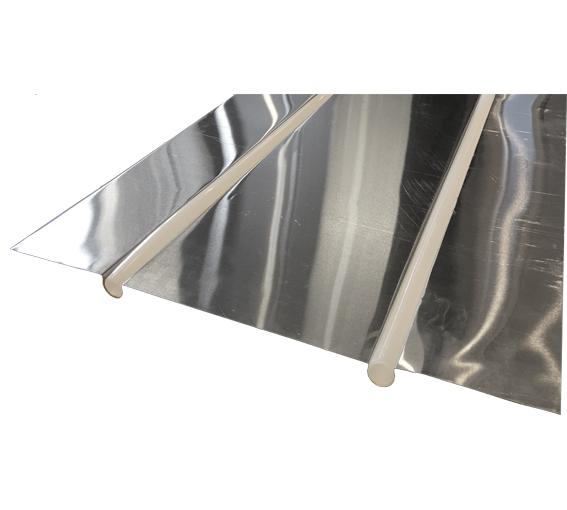
For suspended timber or joisted floors, under-timber hydronic systems use aluminium diffuser plates to spread heat beneath the floor surface. This allows hydronic heating to be used where a wet screed or concrete slab is not suitable.
Why Choose Hydronic Floor Heating?
Even radiant comfort
Hydronic floor heating warms the floor surface, which then radiates heat evenly through the room. This creates a comfortable, natural warmth without draughts, noisy fans, or concentrated hot spots.
Invisible heating
All pipework is hidden within the floor build-up, keeping walls and rooms free from radiators, vents, grilles, and wall mounted units. This makes it ideal for architectural homes, open plan living, bathrooms, and minimalist interiors.
Efficient low-temperature heating
Hydronic floor heating can operate effectively at lower water temperatures than many traditional heating systems. This makes it a strong match for heat pumps and efficient condensing gas boilers.
Ideal for larger spaces
Because the entire floor area can be used as a radiant heat emitter, hydronic floor heating is well suited to larger living areas, whole home systems, and open plan spaces where consistent comfort is important.
Flexible floor construction options
Hydronic systems can be installed in concrete slabs, screed layers, low-profile retrofit panels, or suspended timber floors. The right system depends on the construction stage, floor finish, and available floor height.
Strong long-term comfort
In-slab and in-screed systems use the thermal mass of the floor to store and release heat gradually, helping maintain steady indoor temperatures over longer periods.
Get Comfortable, Whole Home Radiant Heat
Hydronic floor heating is a quiet, efficient, and discreet way to heat modern homes. With the right system type, heat source, insulation, and zone control, it can provide reliable comfort across individual rooms or the entire home.