
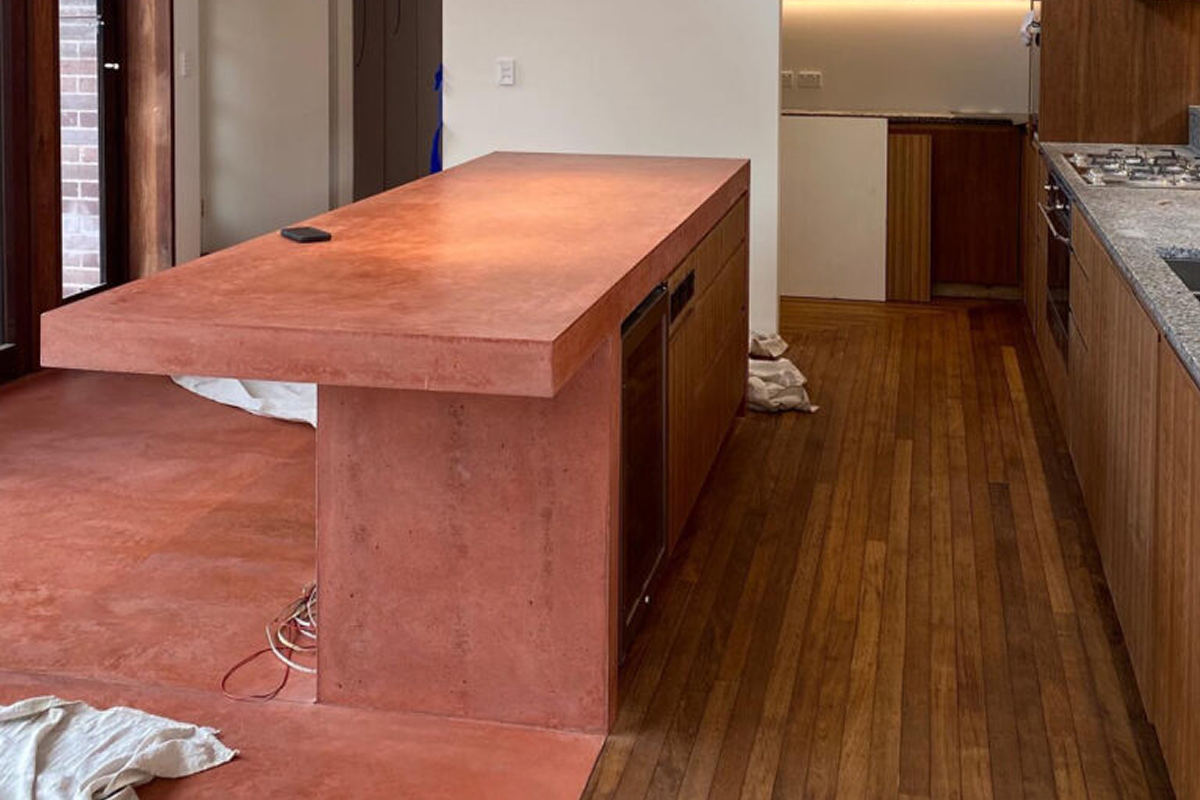
Underfloor Heating Beneath Reclaimed Blackbutt Timber Floors: Risks, Considerations & Better Alternatives
Underfloor heating has become increasingly popular in Australian homes, particularly in high-end residential projects where comfort, energy efficiency, and clean architectural design are priorities. At the same time, reclaimed blackbutt timber flooring continues to be sought after for its warmth, character, and uniquely Australian aesthetic.
While both elements are highly desirable individually, combining reclaimed blackbutt flooring with underfloor heating systems can introduce a range of technical challenges that should be carefully considered before installation.
Why Reclaimed Blackbutt Is Different
Blackbutt is one of Australia’s most popular hardwood species, valued for its durability, natural colour variation, and strong structural performance. Reclaimed blackbutt, in particular, offers a unique appearance with natural ageing, texture, and character that cannot be replicated with newly milled timber.
However, reclaimed timber behaves differently from newly manufactured flooring products.
Unlike engineered flooring systems that are manufactured under controlled conditions, reclaimed timber can vary significantly in:
- Moisture content
- Density
- Thickness
- Previous exposure history
- Structural stability
Because reclaimed timber has already experienced years of movement, environmental exposure, and seasonal change, it can become less predictable when exposed to ongoing heat cycling from an underfloor heating system.
The Main Risks of Underfloor Heating Beneath Reclaimed Timber
1. Shrinkage and Board Movement
Timber is a natural material that expands and contracts in response to temperature and humidity changes. Underfloor heating accelerates this process by continuously warming the underside of the boards.
With reclaimed blackbutt, this can lead to:
- Excessive shrinkage
- Seasonal movement
- Visible board separation
- Increased stress within the floor system
The risk is generally higher with solid timber flooring than with engineered flooring products.
2. Gapping Between Planks
One of the most common issues associated with heated timber floors is gapping between boards.
As the timber dries from below, the boards may contract more aggressively than expected. This can create visible gaps during colder or drier months, particularly when heating systems are operating consistently.
While some movement is normal in all timber floors, reclaimed timber can behave less uniformly due to variations between individual boards.
3. Cupping and Warping
Rapid or uneven drying can cause boards to distort. This may present as:
- Cupping
- Bowing
- Surface checking
- Twisting
These issues typically occur when the timber loses moisture too quickly or unevenly across the board profile.
Underfloor heating systems that are commissioned too aggressively or operated at excessive temperatures can significantly increase this risk.
4. Adhesive and Fixing Stress
Heating systems create repeated expansion and contraction cycles within the flooring assembly.
Over time, this movement may place stress on:
- Adhesives
- Mechanical fixings
- Subfloor systems
- Expansion joints
In some cases, adhesive failure can occur if the products used are not specifically rated for heated flooring systems.
This is particularly important in projects using reclaimed timber, as older boards may not have perfectly consistent dimensions or structural stability.
5. Uneven Heat Transfer
Reclaimed timber often varies in thickness and density, which can affect how heat moves through the floor.
This may result in:
- Inconsistent floor temperatures
- Reduced heating efficiency
- Hot and cold spots throughout the room
Solid hardwood flooring is also a natural insulator, meaning it does not conduct heat as efficiently as stone, tile, or engineered flooring systems.
How to Reduce the Risk
While reclaimed blackbutt can potentially be installed over underfloor heating, careful planning and system management are essential.
Moisture Content Testing
Before installation, timber moisture levels should be tested to ensure they fall within the manufacturer’s recommended specification.
Improper moisture content is one of the leading causes of movement related flooring issues.
Confirm Manufacturer Approval
Not all timber flooring products are suitable for use with underfloor heating.
It is important to confirm that:
- The timber supplier approves the flooring for heated applications
- The adhesive system is compatible
- The heating manufacturer supports timber floor installations
Without documented approval, warranty coverage may be affected.
Maintain Controlled Surface Temperatures
Most suppliers recommend keeping timber floor surface temperatures within approximately 24 – 27°C.
Excessive heat can accelerate drying and movement within the boards.
Temperature sensors and properly commissioned thermostats are critical for long-term performance.
Gradual Commissioning
Heating systems should never be brought to full temperature immediately after installation.
Instead, temperatures should be increased gradually over time to allow the timber to acclimatise safely.
Rapid heating is one of the most common causes of floor movement and distortion.
Allow Proper Acclimatisation
Timber flooring should be acclimatised to site conditions before installation.
This process allows the boards to stabilise within the project environment before heating systems begin operating.
Skipping or shortening acclimatisation periods can significantly increase future movement risks.
Better Alternatives for Underfloor Heating Applications
In many cases, there are more suitable flooring options available for projects incorporating hydronic or electric underfloor heating systems.
Engineered Timber Flooring
Engineered timber has become the preferred solution for many architects, builders, and flooring specialists.
Unlike solid hardwood, engineered timber uses a layered construction that improves dimensional stability and reduces movement caused by temperature changes.
Benefits include:
- Better thermal stability
- Reduced expansion and contraction
- Improved compatibility with hydronic heating
- Wider manufacturer approvals
- More predictable long-term performance
Many Australian suppliers specifically recommend engineered timber instead of solid hardwood for underfloor heating applications.
Engineered Australian Species
For clients wanting an authentic Australian timber appearance, engineered products are available in:
- Blackbutt
- Spotted Gum
- Tasmanian Oak
These systems provide the visual warmth of Australian hardwoods while significantly improving performance over heated slabs.
Stone Composite and Hybrid Flooring
New generation stone composite and hybrid flooring products are also becoming increasingly popular.
These systems offer:
- Excellent dimensional stability
- Improved heat transfer
- Water resistance
- Lower maintenance requirements
Some products even incorporate real timber veneers over highly stable composite cores.
Porcelain and Stone Tiles
From a purely technical perspective, tiles remain the best-performing finish for underfloor heating.
They provide:
- Superior thermal conductivity
- Excellent heat retention
- Minimal movement risk
- Long-term durability
However, many homeowners still prefer the warmth and natural appearance of timber finishes, which is why engineered timber remains such a popular compromise.
Final Thoughts
Reclaimed blackbutt timber flooring can create a stunning architectural finish, but pairing it with underfloor heating requires careful consideration.
The natural variability of reclaimed hardwood introduces a higher risk of movement, shrinkage, gapping, and instability when exposed to ongoing heat cycling.
While these risks can be managed through correct design, moisture control, gradual commissioning, and strict temperature management, many projects may benefit from more stable alternatives such as engineered timber flooring systems.
Ultimately, successful underfloor heating installations rely on selecting flooring materials that are specifically designed to handle thermal movement over time.
Before proceeding, it is always recommended to consult with both the flooring supplier and heating system specialist to ensure the selected materials are fully compatible and supported for long-term performance.