
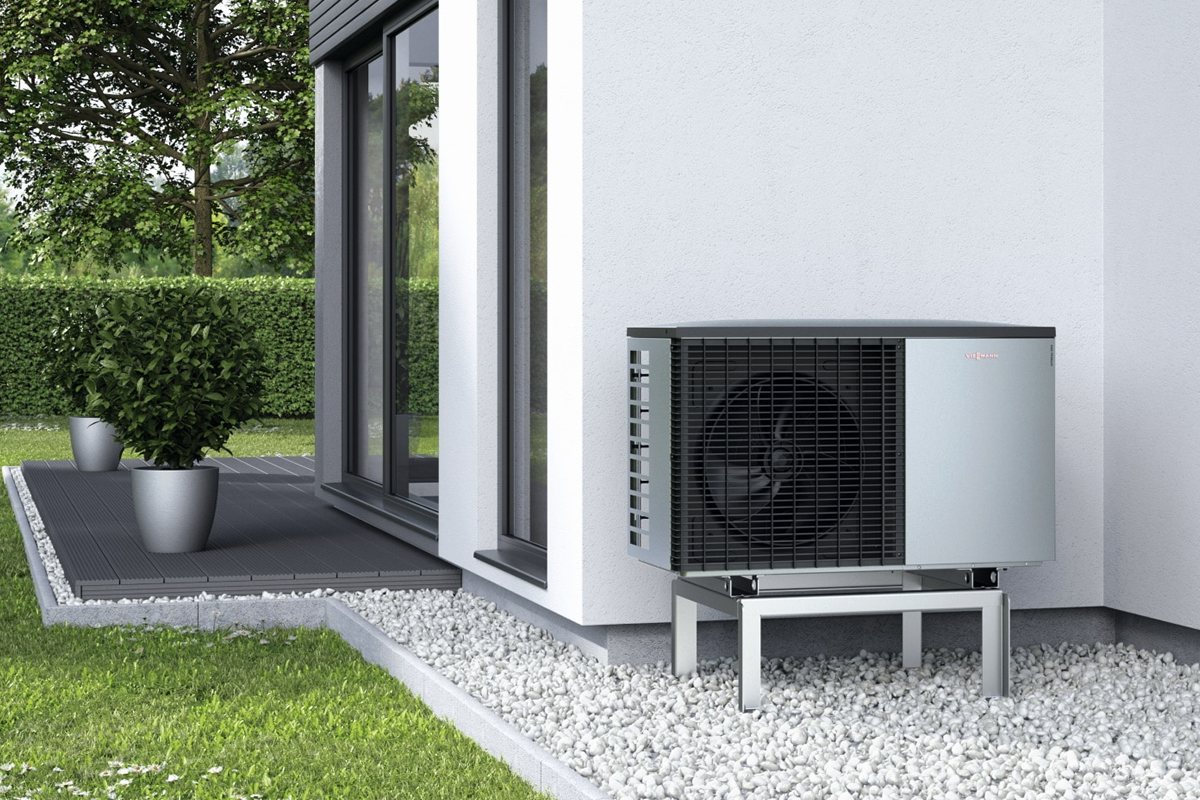
R290 Heat Pump Installation: Why Location Matters
R290 heat pump installation requires careful planning, especially when deciding where the outdoor unit should be located.R290 hydronic heat pumps are becoming one of the most exciting developments in home heating. They are efficient, low-emission and well suited to hydronic underfloor heating, radiators and domestic hot water.
But as these systems become more common in Australian homes, one question comes up regularly during design and renovation planning:
Can the heat pump be installed inside an internal plant room?
For most residential projects, the answer is no.
The internal plant room can still be used for tanks, pumps, valves, manifolds and controls. But the heat pump unit itself, especially an R290 model, is generally designed to be installed outside in open air.
The main reason is simple: R290 is a flammable refrigerant, and enclosed rooms make refrigerant leaks harder to manage safely.
What Is an R290 Heat Pump?
R290 is the technical name for propane when used as a refrigerant. It is part of a new generation of natural refrigerants being used in premium heat pumps.
R290 has become popular because it offers strong heating performance with a very low environmental impact compared with many older refrigerants.
In a hydronic system, an R290 heat pump takes heat from the outdoor air and transfers it into water. That warm water can then be used for:
- Hydronic underfloor heating
- Panel radiators
- Heated towel rails
- Domestic hot water
- Some cooling applications
This makes R290 heat pumps a strong choice for homes moving away from gas and toward efficient electric heating.
However, R290 is also propane. That means it needs to be treated with the correct safety approach.
The Core Issue: R290 Is Flammable
R290 heat pumps are safe when they are installed correctly. The refrigerant is sealed inside the unit during normal operation, and modern heat pumps are designed with safety in mind.
The concern is what happens in the unlikely event of a leak.
Because R290 is flammable, the installation location matters. Outdoors, any leaked refrigerant can disperse into open air. Inside a plant room, it may not disperse as easily.
An internal plant room is usually enclosed. It may have limited natural ventilation, electrical equipment, drains, cupboards, doors into the home and other services. If refrigerant were to leak into that space, it could collect rather than clear quickly.
That is why R290 heat pumps are normally installed outside, where airflow helps reduce risk.
R290 Heat Pump Installation and Internal Plant Rooms
A plant room may seem like the obvious place to put heating equipment. It keeps everything together, hides the unit from view and protects it from the weather.
That logic works for many hydronic components, but not for the refrigerant-containing heat pump unit.
An internal plant room can create problems because it may:
- Restrict airflow around the heat pump
- Allow leaked refrigerant to build up
- Contain electrical equipment or ignition sources
- Include drains or low points where refrigerant can settle
- Have limited service access
- Open directly into the home
- Lack dedicated leak detection or mechanical ventilation
This is very different from an outdoor location where air can move freely around the unit.
The issue is not whether the heat pump physically fits in the room. The issue is whether the room can safely manage airflow, ventilation and refrigerant leak behaviour.
In most homes, the answer is that it cannot.
R290 Is Heavier Than Air
Another important point is that propane refrigerant is heavier than air.
If a leak occurred, it would not necessarily rise and disappear. It may move downward and collect in low points, drains, pits or poorly ventilated corners.
This is one of the reasons manufacturers set clear requirements around outdoor placement, clearances, nearby openings and drainage.
A heat pump installed beside a house still needs careful positioning. It should not be placed where refrigerant could easily migrate into a basement, subfloor vent, low window, drain or enclosed space.
Inside a plant room, managing those risks becomes much harder.
The Heat Pump Belongs Outside
Most modern R290 hydronic heat pumps used in Australian homes are air-to-water outdoor units.
They are designed to sit outside, draw heat from outdoor air and transfer that heat into the hydronic water circuit. This is how they operate efficiently.
Outdoor placement provides three major benefits:
- Airflow for performance
The heat pump needs access to outdoor air so it can extract heat efficiently. - Ventilation for safety
Open air helps disperse refrigerant in the unlikely event of a leak. - Correct equipment environment
The unit is designed to operate outdoors, with appropriate clearances and service access.
Putting an outdoor unit inside a plant room works against the way the equipment is designed.
What Can Go Inside the Plant Room?
The plant room still has an important role in a premium hydronic system.
In many homes, the best approach is to place the R290 heat pump outside and keep the water-side equipment inside.
An internal plant room may house:
- Domestic hot water cylinders
- Buffer tanks
- Pumps
- Expansion vessels
- Manifolds
- Valves
- Hydraulic separation components
- Filtration or water treatment
- Electrical controls
- Smart control equipment
This keeps the refrigerant outside while allowing the hydronic system to remain neat, accessible and serviceable indoors.
For homeowners, this gives the best of both worlds: safe outdoor heat pump placement and a clean internal plant area for the rest of the system.
Why Manufacturers Specify Outdoor Installation
Premium R290 heat pumps from brands such as Viessmann and STIEBEL ELTRON are generally designed around outdoor installation.
This is not simply because the units are weather-resistant. It is because their safety, airflow and performance requirements are based on open-air operation.
Manufacturer instructions usually include guidance around:
- Clearances around the unit
- Distance from doors and windows
- Distance from drains or low openings
- Service access
- Airflow requirements
- Safety zones
- Suitable outdoor locations
These requirements are part of the product design.
If the unit is installed somewhere it was not designed to operate, such as a standard enclosed plant room, the installation may create unnecessary risk and compromise system performance.
Why Ventilation Matters
Ventilation is the heart of the issue.
A heat pump needs airflow for normal operation, and an R290 heat pump also needs open air to help manage the unlikely event of a refrigerant leak.
An internal plant room may appear ventilated because it has a door grille, small window or louvred opening. But that does not automatically make it suitable for an R290 heat pump.
The question is not simply whether some air can enter the room. The question is whether the space can safely prevent refrigerant accumulation under fault conditions.
For most residential plant rooms, that level of ventilation and leak management has not been designed in.
That is why the practical answer is to keep the refrigerant-containing unit outside.
Aesthetic Concerns Can Be Managed
Some homeowners ask about internal plant room installation because they do not want to see an outdoor unit.
That is understandable, especially in premium architectural homes where every visible element matters.
But hiding the unit indoors is not the right solution.
Instead, the outdoor heat pump can often be integrated carefully into the overall design. It may be located in a side passage, service zone, screened area or landscape enclosure, as long as airflow, access and safety clearances are maintained.
Good design can make the unit discreet without compromising safety or performance.
Outdoor placement can consider:
- Sightlines from living areas
- Bedroom locations
- Boundary conditions
- Acoustic comfort
- Garden screening
- Service access
- Pipe routes back to the plant room
- Airflow around the unit
The goal is not just to hide the heat pump. The goal is to locate it properly.
Noise Is Also Part of Placement
Modern premium heat pumps are designed to operate quietly, but they still need sensible placement.
Installing a heat pump inside a plant room may seem like it would reduce noise, but it can create other issues. Sound can reverberate inside hard-walled rooms, and airflow noise may become more noticeable through vents or openings.
Outdoor placement allows the unit to be positioned with acoustic performance in mind. It can be located away from bedrooms, neighbours’ windows and quiet outdoor areas.
A well-planned outdoor location is usually better than forcing the unit into an unsuitable indoor space.
Hydronic Heat Pumps Are Not Like Gas Boilers
Many homeowners are familiar with gas boilers being installed in garages, cupboards or internal plant spaces.
That can create confusion when moving to a heat pump.
An R290 hydronic heat pump is not the same type of appliance. It is an air-to-water refrigeration machine. It needs outdoor air to operate, and it contains refrigerant that must be managed correctly.
The indoor plant room may still look similar because it contains hydronic equipment, tanks and pumps. But the heat source itself is different.
With a modern R290 system, the usual layout is:
- Heat pump outside
- Hydronic plant equipment inside
- Heated water distributed through the home
This is the correct mindset for modern heat pump hydronics.
Why This Matters in Premium Homes
Premium homes often have more complex heating requirements. They may include hydronic underfloor heating, heated towel rails, domestic hot water, multiple zones and smart controls.
These systems need thoughtful design. The heat pump location affects not only safety, but also performance, noise, serviceability and the way the system integrates with the home.
Trying to force an R290 heat pump into an internal plant room can create avoidable problems. It may compromise airflow, make servicing harder, increase safety concerns and conflict with manufacturer requirements.
A better approach is to plan the outdoor heat pump location early in the design process.
This allows the system to be integrated neatly without last-minute compromises.
Planning the Right Location Early
The best time to decide where the heat pump will go is during design, not after construction has started.
For new builds and major renovations, early planning allows the architect, builder and heating installer to coordinate:
- Outdoor unit location
- Pipe routes
- Plant room position
- Service access
- Acoustic considerations
- Electrical requirements
- Visual screening
- Drainage
- Clearances from windows and openings
When this is done early, the final installation feels considered and integrated.
When it is left too late, the heat pump may be pushed into the wrong location simply because space has run out.
Demarc’s Approach
We install hydronic systems with comfort, efficiency and long-term performance in mind.
For R290 heat pump systems, that means locating the heat pump where it is designed to operate: outside, with appropriate airflow and clearances.
The internal plant room is still used where appropriate for the hydronic equipment that belongs indoors. This creates a clean, practical and safe system layout.
Our approach is simple:
- Keep the refrigerant-containing heat pump outside
- Keep water-side hydronic equipment accessible indoors
- Plan the system layout early
- Protect airflow and service access
- Avoid unnecessary safety risks
- Deliver a premium heating outcome
This is how modern hydronic heat pump systems should be approached in Australian homes.
Final Thoughts
R290 hydronic heat pumps are one of the most promising technologies for efficient, all-electric home heating. They are well suited to hydronic underfloor heating, radiators, domestic hot water and premium residential projects.
But they must be installed in the right place.
For most homes, an internal plant room is not suitable for the heat pump unit itself. The reason is straightforward: R290 is a flammable refrigerant, and enclosed spaces make ventilation and leak management much harder.
The safest and most practical approach is to install the R290 heat pump outside in open air and use the internal plant room for tanks, pumps, manifolds, valves and controls.
That gives homeowners the comfort and efficiency of premium heat pump hydronics while respecting the safety and performance needs of the technology.