Comfortable, Efficient & Invisible Warmth Beneath Your Feet
Electric floor heating is a simple and discreet way to warm a home from the ground up. Installed beneath the finished floor surface, it delivers gentle radiant heat without visible heaters, vents, or bulky equipment.
Whether used in a bathroom renovation, kitchen upgrade, living area, bedroom, or new build, electric underfloor heating provides targeted comfort exactly where it is needed. It is especially well suited to tiled areas, but different systems can also be used beneath carpet, engineered timber, laminate, and polished concrete, depending on the floor construction and product selected.
Because each room can be controlled independently, electric floor heating gives homeowners flexible zone control, fast warm-up times, and the ability to heat only the spaces being used. When paired with a programmable or smart thermostat, it can be scheduled around daily routines to improve comfort while helping manage energy use.
Electric floor heating is a clean, quiet, and effective way to add comfort to everyday spaces. With the right system, floor build-up, insulation, and thermostat control, it can provide reliable warmth while staying completely hidden beneath the floor.
Practical Heating Options for Different Floor Types
Different floor finishes and construction methods require different electric heating systems. The right option depends on the floor finish, room type, construction stage, floor build-up, and the level of heating performance required.
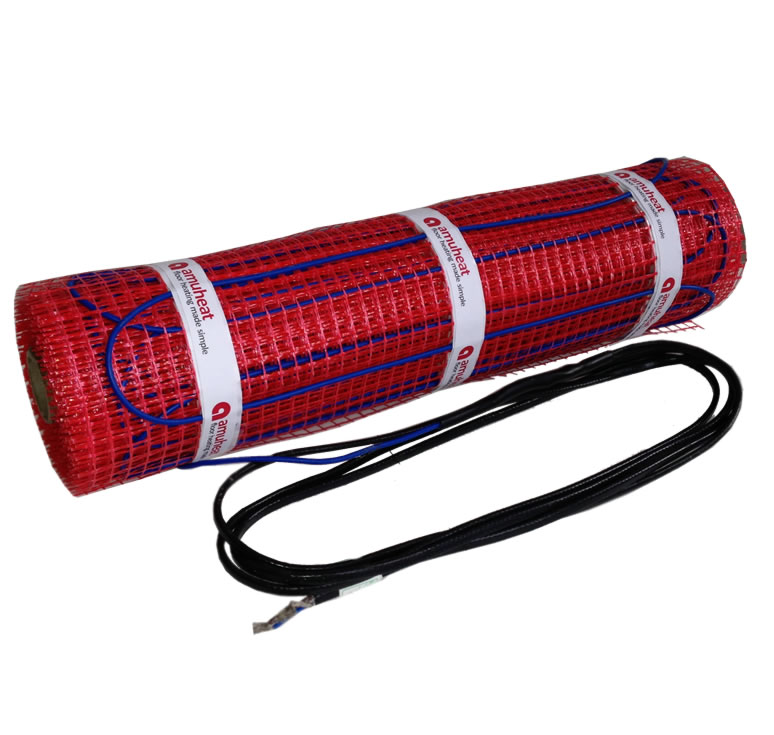
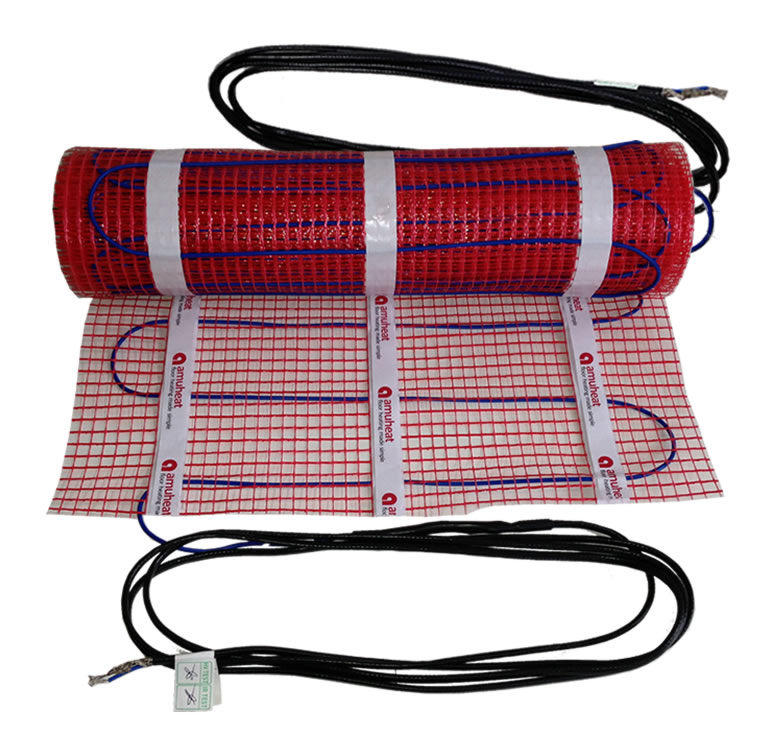
For tiled rooms and renovations, under tile or in-screed heating is often the most practical option because these systems can be installed within the tile or screed build-up without needing bulky equipment, ductwork, or visible heaters. Under tile heating sits close to the finished floor surface, allowing it to warm up quickly and deliver targeted comfort in areas like bathrooms, ensuites, laundries, and kitchens. In-screed heating is practical where a screed layer is already being installed, as the heating cable can be integrated neatly into the floor structure while still providing even radiant warmth across the room.
For new builds, in-screed or in-slab underfloor heating systems may provide stronger long term radiant performance because they use the thermal mass of the floor to store and release heat more gradually. Instead of heating only the surface layer, these systems warm a larger section of the floor structure, helping create steadier temperatures, more even heat distribution, and longer lasting warmth after the system cycles down. This makes them well suited to larger spaces, polished concrete floors, and homes where consistent background comfort is preferred over fast on demand heating.
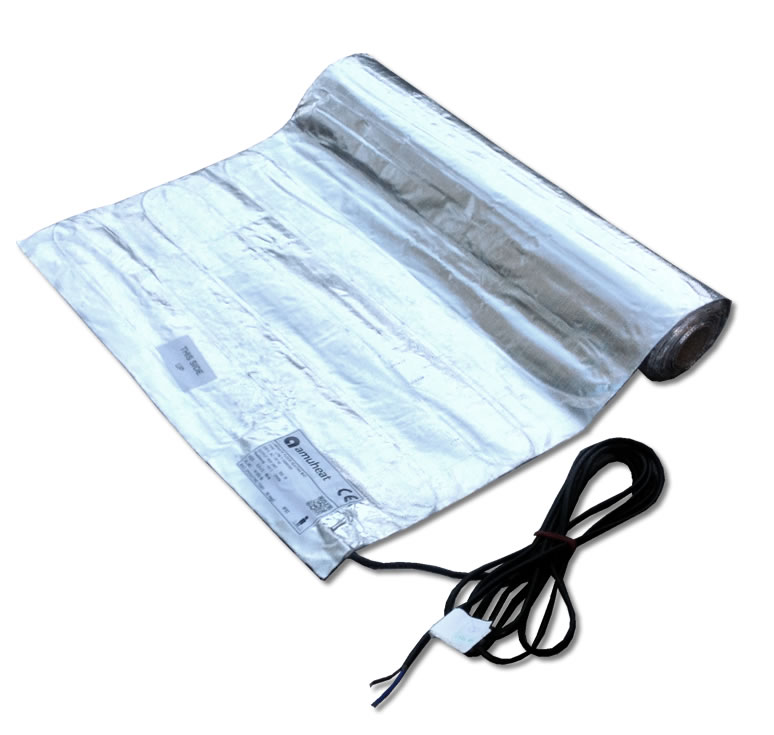
For soft floor areas, under carpet heating offers a discreet comfort solution that remains completely hidden beneath the floor. It provides gentle warmth for bedrooms, lounges, and media rooms without taking up wall space or affecting the room layout.
Why Choose Electric Floor Heating?
Invisible comfort
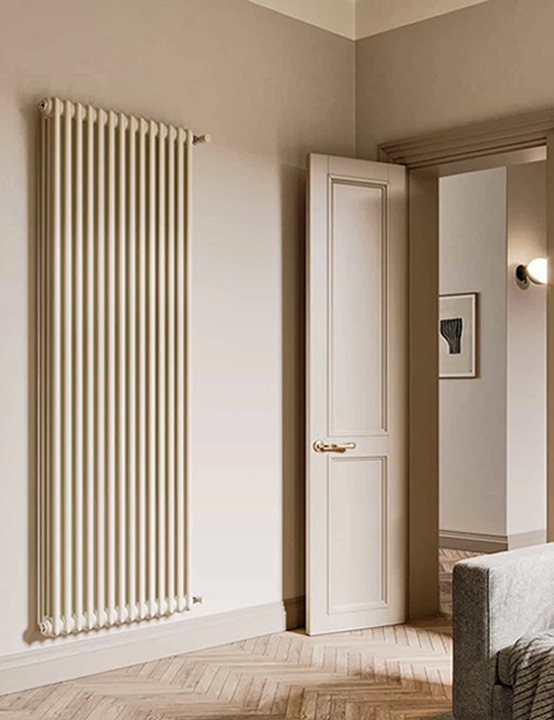
Electric floor heating sits beneath the finished floor, creating warmth without radiators, ducts, grilles, or wall mounted units. This keeps rooms clean, open, and easy to furnish.
Gentle radiant heat
Instead of blowing warm air around the room, electric underfloor heating warms the floor surface and surrounding space evenly. The result is a comfortable, natural warmth that feels especially good underfoot.
Great for bathrooms and tiled spaces
Tiles, stone, and other hard floor finishes can feel cold in winter. Electric under tile heating adds everyday comfort in bathrooms, ensuites, laundries, kitchens, and living areas.
Fast response options
Ultra-thin under tile heating mats are installed close to the floor surface, allowing them to heat up quickly. This makes them ideal for rooms used at specific times of day, such as bathrooms in the morning and evening.
Independent room control
Each heated area can be connected to its own thermostat. This allows different rooms to run on different schedules, temperatures, and operating times.
No visible equipment
Because the system is hidden beneath the floor, it does not take up wall or floor space. This makes it ideal for bathrooms, compact rooms, minimalist interiors, and architectural homes.
Get Comfortable, Hidden Warmth Underfoot
Electric floor heating is a clean, quiet, and effective way to add comfort to everyday spaces. With the right system, floor build-up, insulation, and thermostat control, it can provide reliable warmth while staying completely hidden beneath the floor.